More than service: building a partnership for the future
Service means being there
Good service in shipping is often measured by how quickly problems are solved. According to Wärtsilä, however, the best service is the kind that prevents problems from occurring in the first place.
"Good service means helping customers operate safely, efficiently and reliably every day," says René. "It's about understanding their business and ensuring vessels remain available when they are needed."
That proactive approach is particularly important in an industry that never stops.
"The maritime industry never sleeps," Willem notes. "Neither does our support network."
Wärtsilä's global organisation provides around-the-clock technical support, field service engineers and spare parts logistics. Equally important is the close cooperation with superintendents, fleet managers and vessel crews. Through continuous dialogue, maintenance activities can be planned more effectively, reducing the risk of disruptions and helping vessels remain operational for longer.
Listening to the people on board
One theme returns throughout both interviews: the value of crew feedback.
While data and technical reports provide important information, practical experience often reveals insights that cannot be found anywhere else.
"The most valuable feedback is practical feedback," says René. "Crew members work with our equipment every day and understand what works well and where improvements can be made."
According to Willem, feedback on equipment performance, maintenance challenges and operational efficiency helps Wärtsilä continuously improve both products and services.
This exchange of knowledge takes place through technical discussions, service reports, onboard visits and training sessions. One recent example was specialised training for crews working with vessels equipped with Wärtsilä 25 engines, helping teams become fully familiar with the equipment from day one.
For seafarers, this knowledge sharing is becoming increasingly important as vessel systems continue to grow more advanced and interconnected.
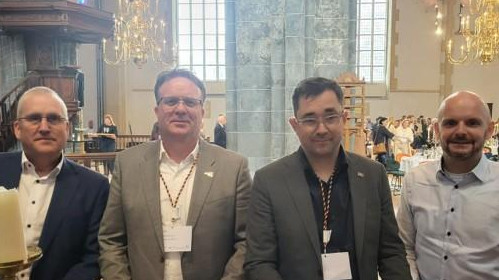
On the photo from left to right: Willem Eckhardt, Sales Manager Wärtsilä Netherlands; Claas Vis, Chief Technical Officer at MF Shipping Group; Johan Friberg, Fleet Manager at Erik Thun Group; and René de Vries, General Manager Sales, Wärtsilä Marine Benelux.
Sustainability through continuous improvement
Alongside digitalisation, sustainability remains a key priority.
While the maritime industry faces increasing environmental requirements, both René and Willem believe the greatest gains often come from a series of smaller improvements rather than one major breakthrough.
Engine optimisation, technical upgrades, lifecycle maintenance and performance improvements can all contribute to lower fuel consumption and reduced emissions.
"Even relatively small improvements can have a significant impact when applied across an entire fleet," Willem says.
The long-term overhaul agreement supports this approach by helping ensure engines and propulsion systems continue operating at optimal performance levels throughout their service life.
The digital future of shipping
If there is one subject that excites both René and Willem, it is digitalisation.
Modern vessels generate enormous amounts of operational data. The challenge is turning that information into practical insights that improve reliability, efficiency and sustainability.
"Digitalisation allows us to move from reactive maintenance towards predictive and condition-based support," Willem explains.
Instead of responding after problems occur, monitoring systems can help identify potential issues at an early stage. This improves planning, reduces downtime and supports better decision-making throughout a vessel's lifecycle.
The partnership between Wärtsilä, MF Shipping Group and Erik Thun Group is already moving in that direction. Tools such as Wärtsilä Online and Mespas integration improve transparency and information sharing between ship and shore.
Discussions around Digital Twin technology may offer further opportunities in the future. By combining operational and lifecycle data, digital models can help operators better understand equipment performance and make smarter maintenance decisions.
"We see significant opportunities here," says René. "Digitalisation can improve predictability, support continuous improvement and create long-term value."
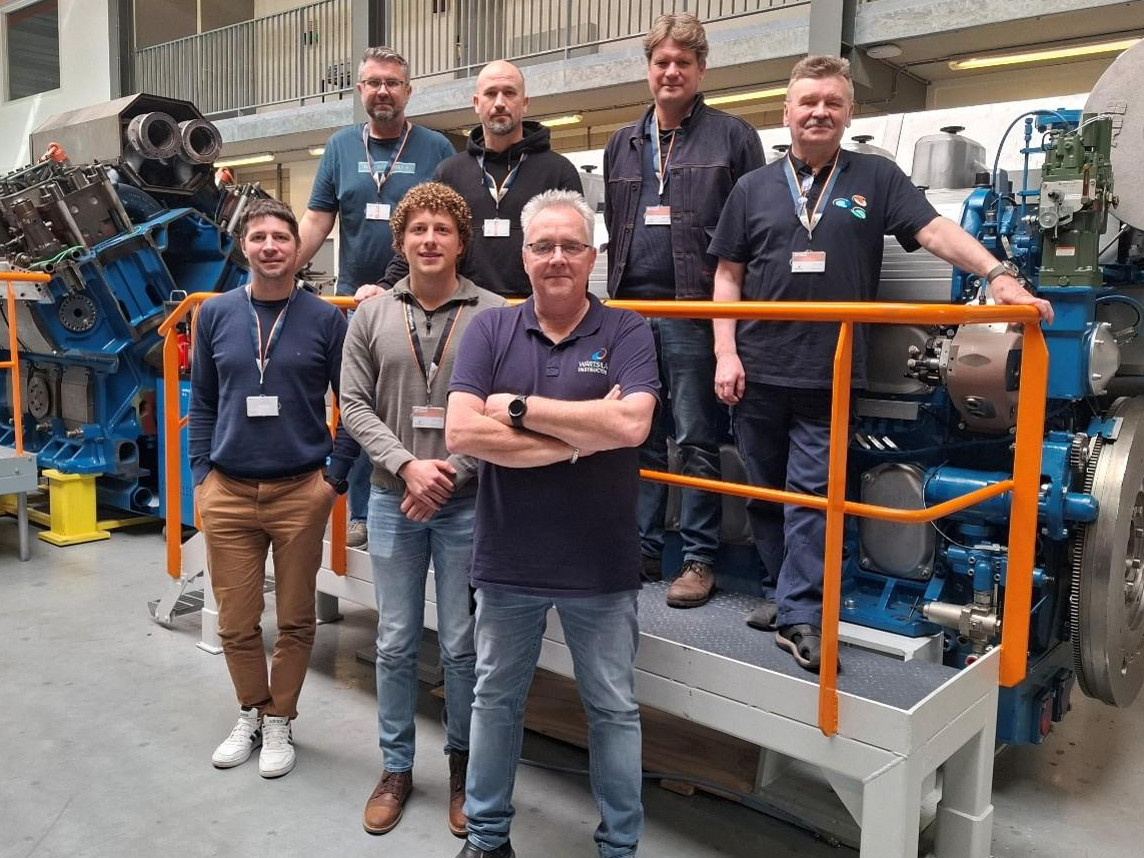
On the photo: Crew and Technical Superintendent training on Wärtsilä 25 Marine engine
“Those who can combine strong seamanship and engineering expertise with confidence in digital tools will play a key role in the future of shipping.”.
What it asks from today's seafarers
While technology is transforming shipping, one thing remains unchanged: people are at the heart of every vessel.
Today's seafarers are expected to combine traditional maritime skills with an increasing understanding of digital systems, automation and data-driven operations. They are no longer only operators and maintainers of equipment, but also important users of operational data.
This means crews must continuously develop new skills. Understanding monitoring systems, interpreting performance information and recognising potential issues before they escalate are becoming part of everyday operations.
Both Wärtsilä and MF Shipping Group recognise that training, onboard support and knowledge sharing are therefore more important than ever. Technology will continue to evolve, but skilled seafarers remain essential for safe, efficient and sustainable operations.
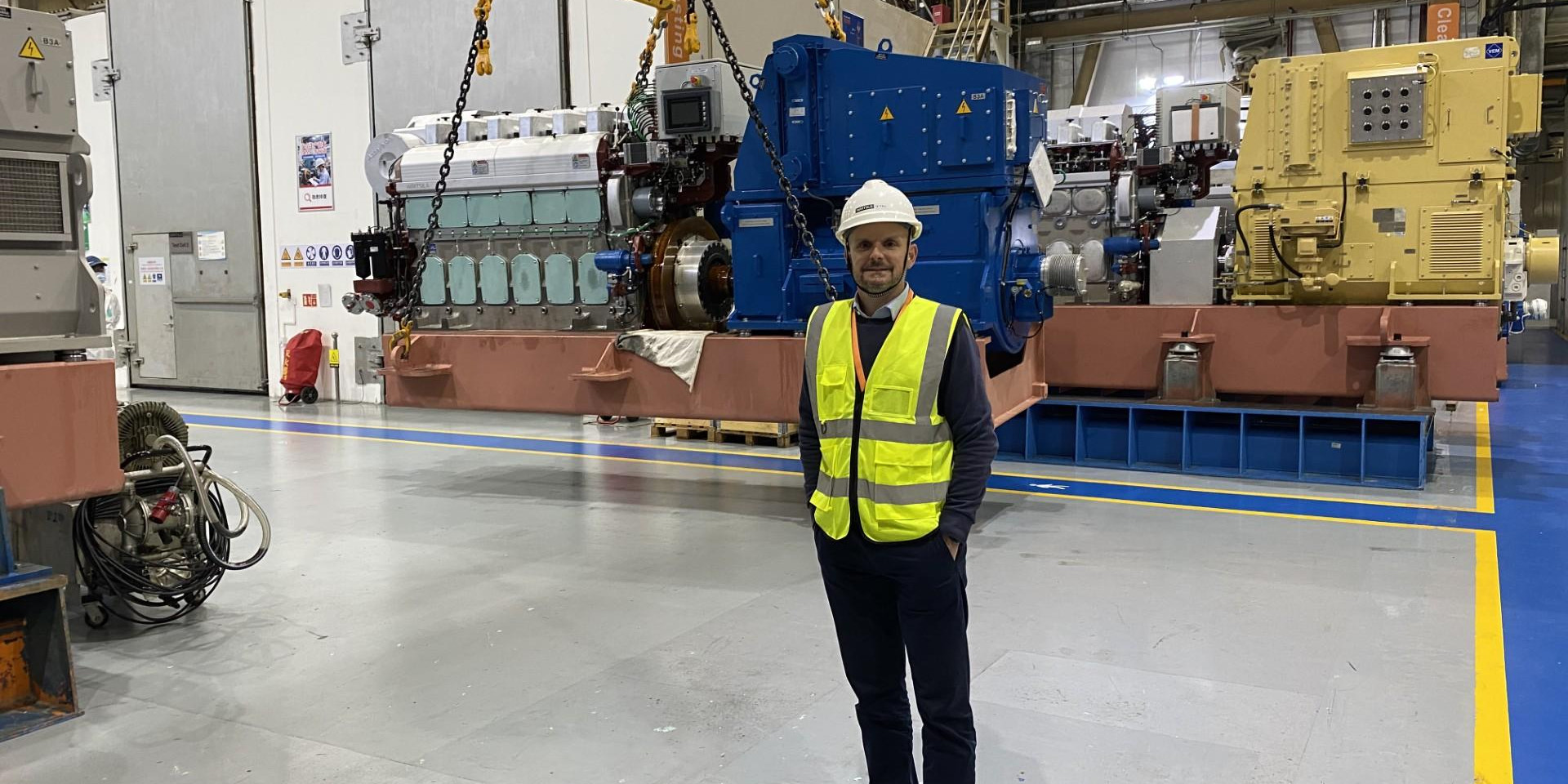
On the photo: Rene de Vries
"Our ambition is not simply to provide products or maintenance," he explains. "We want to be a trusted lifecycle partner that helps customers improve uptime, reduce risk, enhance sustainability and prepare for future challenges." That ambition closely reflects the partnership already visible between Wärtsilä, MF Shipping Group and Erik Thun Group. When asked to summarise the relationship in three words, the answers are remarkably similar. For Willem: Trust. Commitment. Progress. For René: Trust. Collaboration. Continuous Improvement. Different words perhaps, but the same message. Strong partnerships are built over time. They thrive on openness, shared expertise and a willingness to keep learning together. In an industry that never stands still, those qualities may be the most valuable assets of all. This article is the first in a two-part Fleetlog series on Wärtsilä. In this edition, we focus on service, maintenance and lifecycle support across the existing fleet. In a future edition, we will explore Wärtsilä's role in newbuilding projects and the technologies shaping the next generation of vessels.
Looking ahead
As shipping continues to evolve, both René and Willem expect the role of service organisations to evolve as well.
Traditional maintenance support will remain important, but future success will increasingly depend on helping customers achieve broader operational goals.
"The industry is moving towards lifecycle partnerships," says Willem. "Customers want greater predictability, higher availability and support in meeting environmental targets."
For René, the future is about creating value beyond products and individual services.
Check out our services